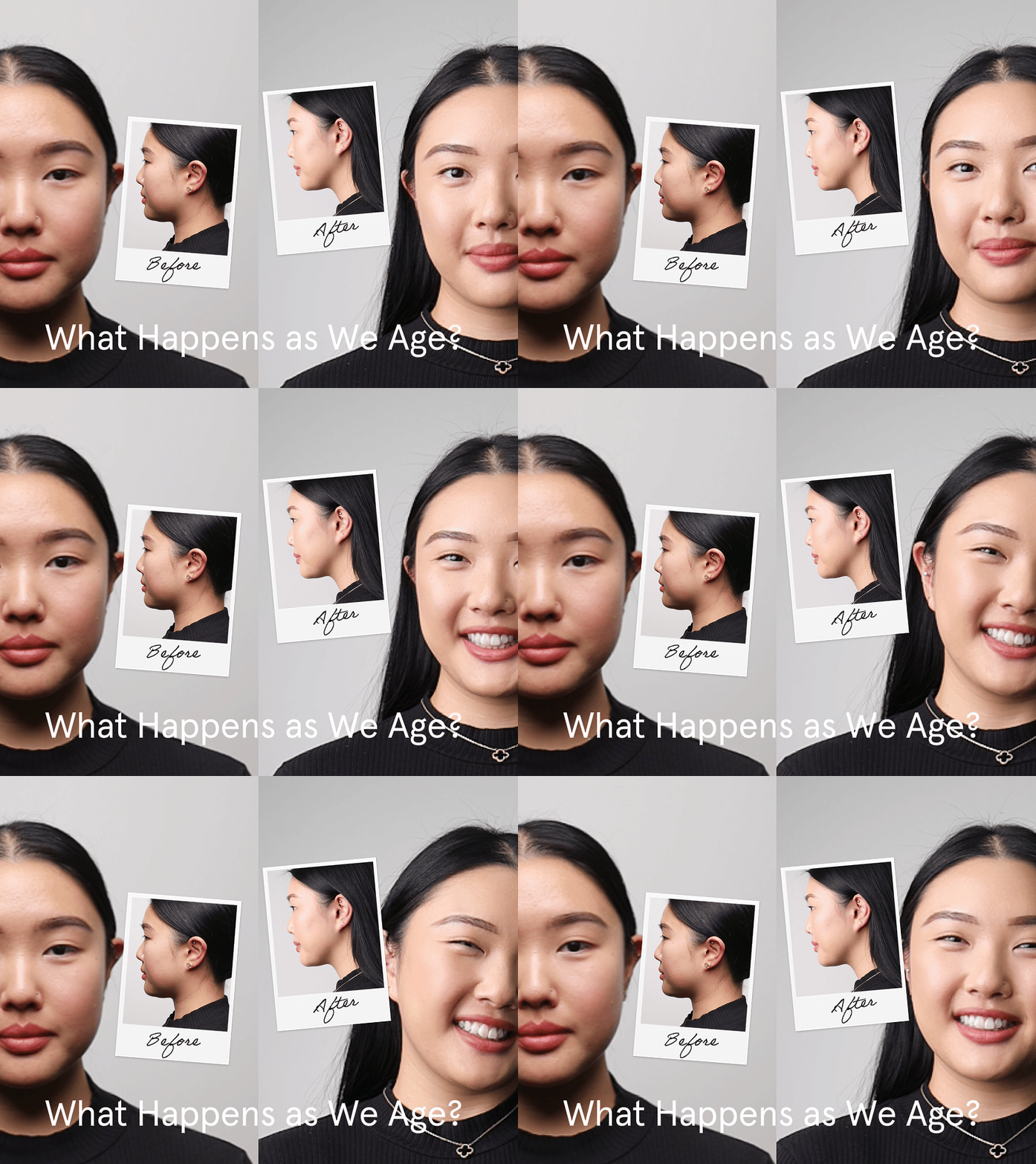
Facial ageing is a gradual process that affects far more than just the surface of the skin. While fine lines and wrinkles are often seen as the first signs of ageing, changes are actually occurring at multiple structural levels beneath the skin, including collagen loss, fat pad changes, skin laxity, and shifting facial support.
As these changes develop over time, many people notice their face beginning to look less defined, heavier, or more tired, even if they maintain a consistent skincare routine. More and more clients are seeking clinical treatment options that can address these deeper structural changes without the risks, downtime, or recovery associated with surgery.
What Happens to the Face as We Age?
Facial ageing is influenced by a combination of intrinsic ageing, environmental damage, genetics, and natural volume changes. Rather than being caused by a single issue, multiple processes occur simultaneously.
Loss of Collagen and Elastin
Collagen and elastin are the structural proteins responsible for maintaining firm, smooth, and resilient skin. Production begins to decline from our 20s, resulting in the skin gradually losing thickness and elasticity. This contributes to:
Fine lines and wrinkles
Skin laxity
Crepey texture
Reduced firmness
Loss of facial support
Sagging and Loss of Definition
One of the most common concerns associated with facial ageing is the gradual loss of skin definition. Many people describe this stage of ageing as looking more tired or feeling like their face has drooped. Weakened facial structures can contribute to:
Drooping around the eyes
Loss of jawline definition
Heaviness in the lower face
Fat Pad Changes
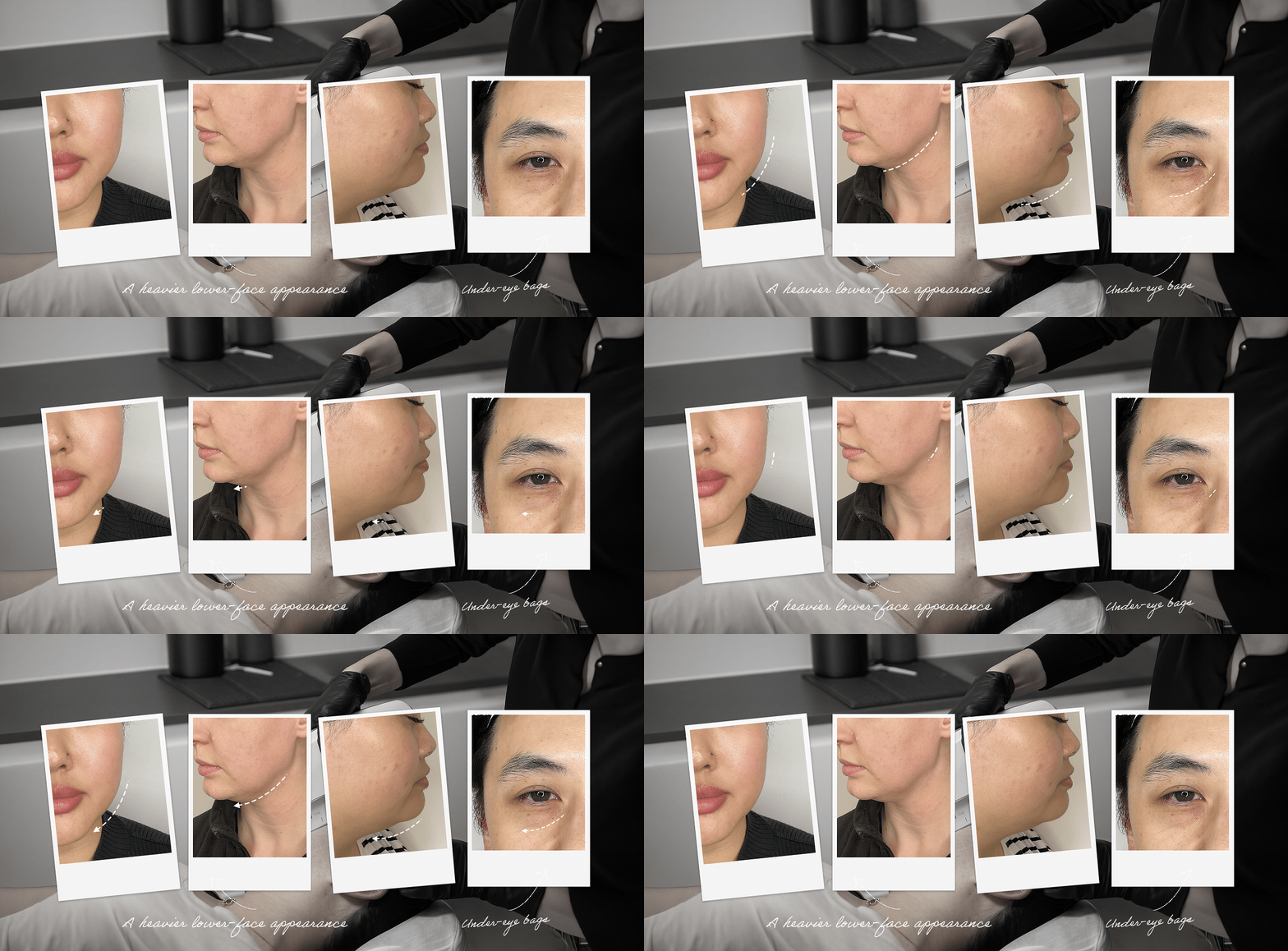
Fat compartments are one of the key elements that maintain youthful contours and facial balance. With age, these fat pads begin to change in size, descend, or redistribute unevenly, contributing to:
Hollowing beneath the eyes
Nasolabial folds
Double chin fullness
Heavier lower face appearance
Undereye bags
Changes in Skin Texture and Quality
Alongside structural ageing, the skin surface itself also changes over time. Factors such as sun exposure, environmental damage, and slower cell turnover can lead to:
Enlarged pores
Fine crepey lines
Dullness
Reduced hydration
Loss of skin luminosity
Rough or uneven texture
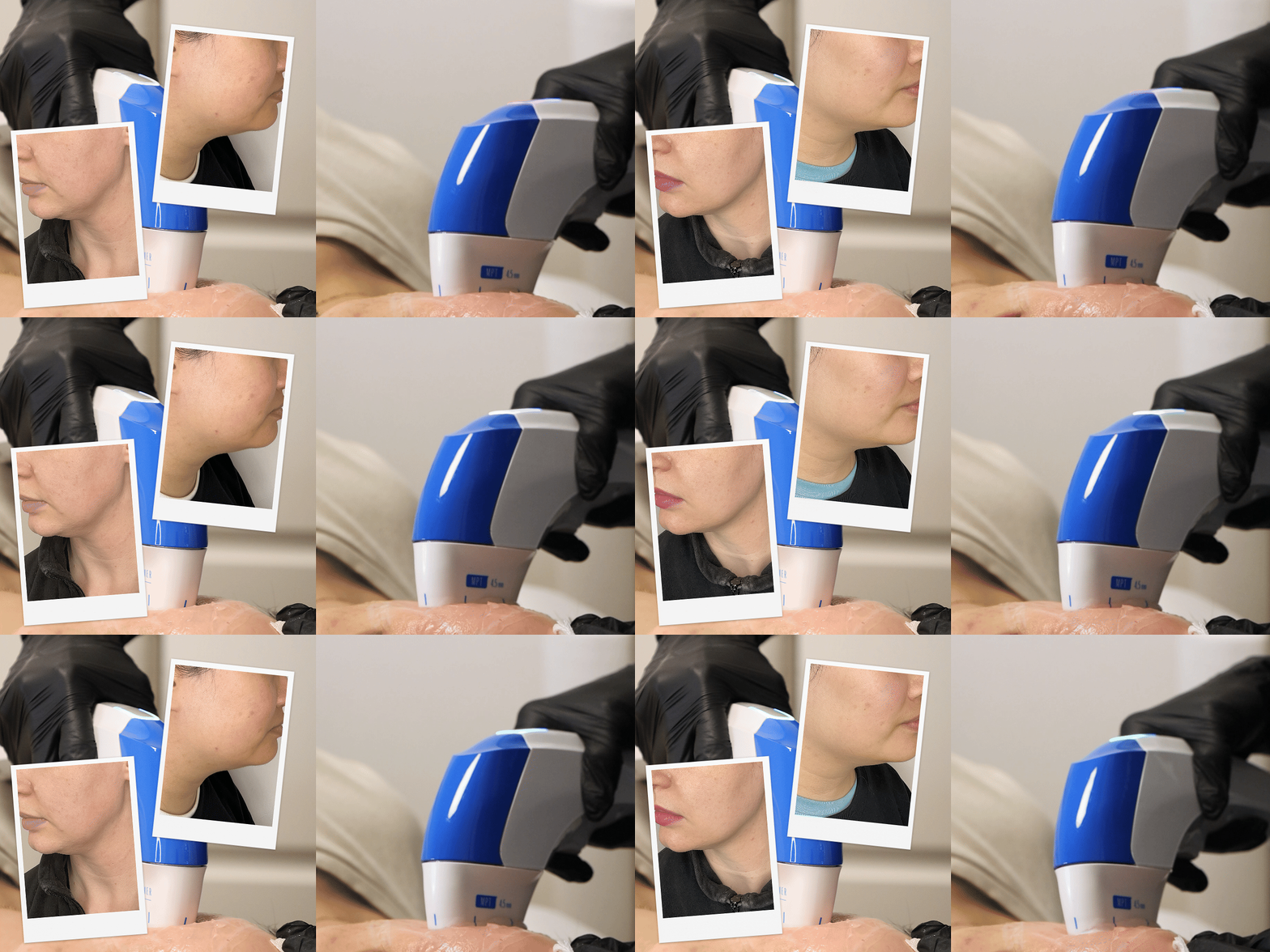
Why Skincare is Not Enough
While skincare products can help support overall skin health by maintaining barrier strength, hydration, and surface quality, many textural and laxity concerns originate deeper within the skin, where topical products have limited reach. These deeper concerns include:
Tissue laxity
Fat pad descent
Dermal structural degradation
Collagen depletion
To effectively address facial ageing concerns and achieve more visible lifting, tightening, and contouring effects, clinical treatments are essential to support deeper foundational changes. Skincare then continues to play an important supportive role in both treatment preparation and post-treatment recovery.
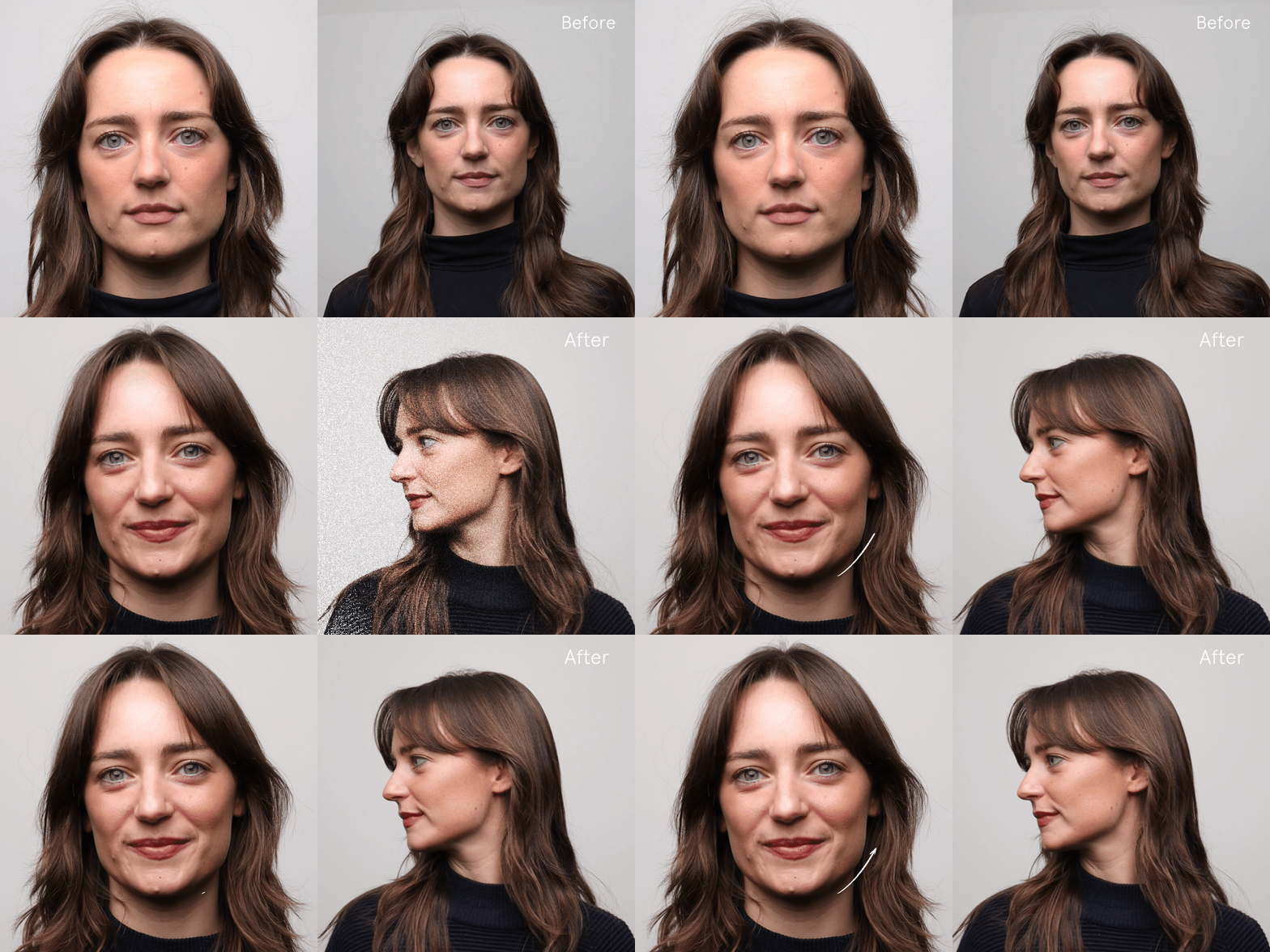
Our Clinical Approach to Structural Rejuvenation
We understand that facial ageing is a multifactorial concern, with multiple changes occurring simultaneously over time. Our results-driven treatment plans provide individualised and comprehensive support for structural rejuvenation, addressing the multiple layers involved in facial ageing.
Our clinical approach combines advanced non-surgical technologies and tailored treatment strategies to support:
Skin tightening and lifting
Facial contour and definition
Skin quality and texture
Prevention and long-term maintenance
Collagen stimulation
Treatments are carefully tailored for all skin types, including ethnic and melanin-rich skin, with a strong focus on safety, suitability, and natural-looking results.
Takeaway
At TDSC, we support clients at every stage of the ageing journey, from preventative treatments for younger demographics wanting to maintain skin quality and collagen levels, through to corrective approaches targeting more advanced signs of ageing and structural change.
In our next blog, we’ll take a deeper dive into TDSC’s advanced rejuvenation treatments used to support skin tightening, collagen stimulation, and facial contouring.