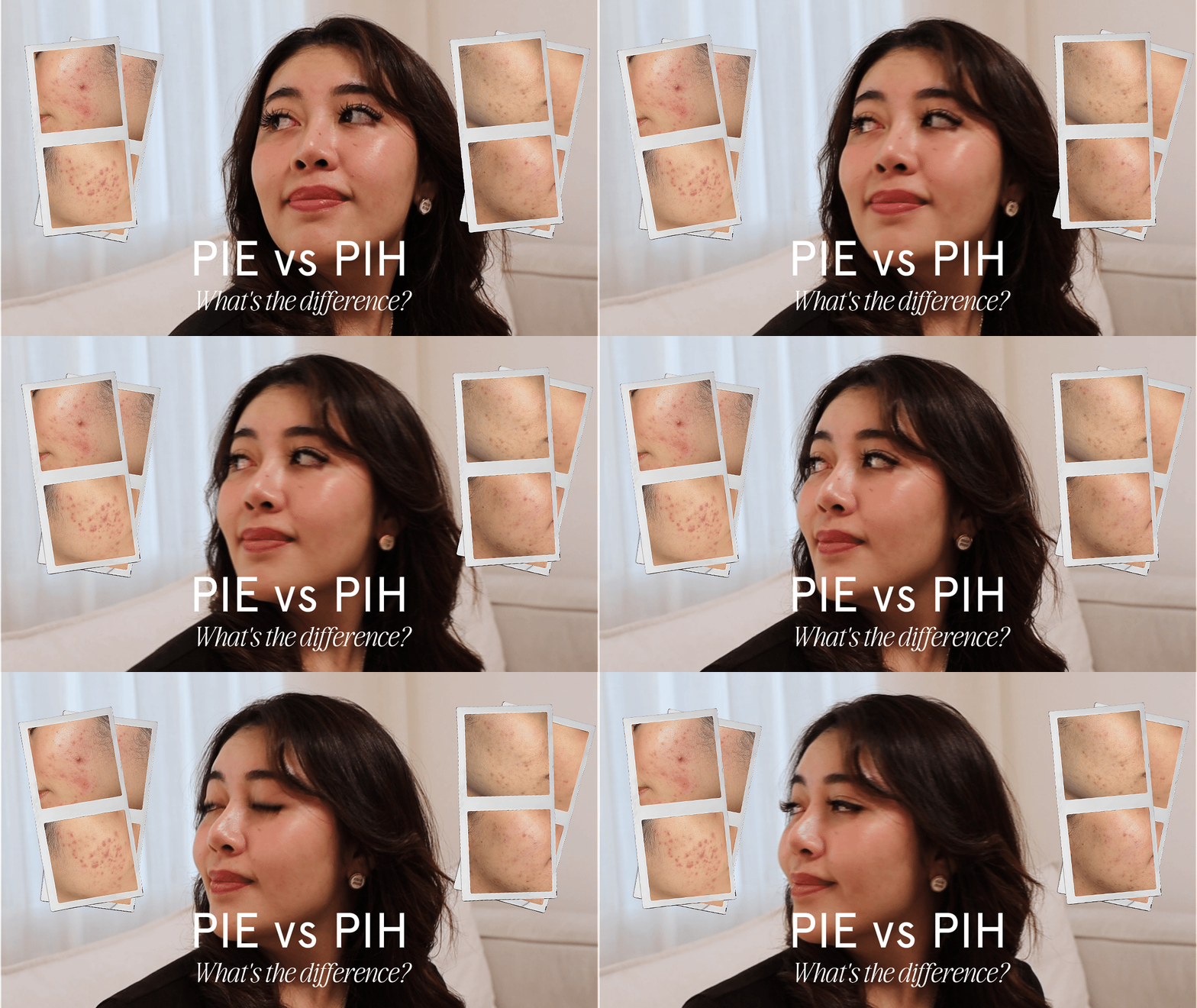
After a breakout, the skin is often left with lingering marks that affect its overall tone. These marks may appear red, known as Post-Inflammatory Erythema (PIE), or brown, known as Post-Inflammatory Hyperpigmentation (PIH). Although both commonly develop after acne, they have different underlying causes and require different treatment approaches. Understanding the difference is the first step towards choosing the right treatment, achieving clearer skin more effectively, and supporting long-term skin health.
What are tonal marks (PIE + PIH)?
Both PIE and PIH are part of the skin's natural healing process following inflammation or injury. This can occur after acne, picking at blemishes, burns or other forms of skin trauma. When the skin becomes inflamed, your body begins repairing the damaged tissue. Depending on your skin type, genetics, the severity of inflammation, and how the wound heals, that repair process may result in either lingering redness (PIE), excess pigmentation (PIH), or both. The key difference lies in how the skin heals.
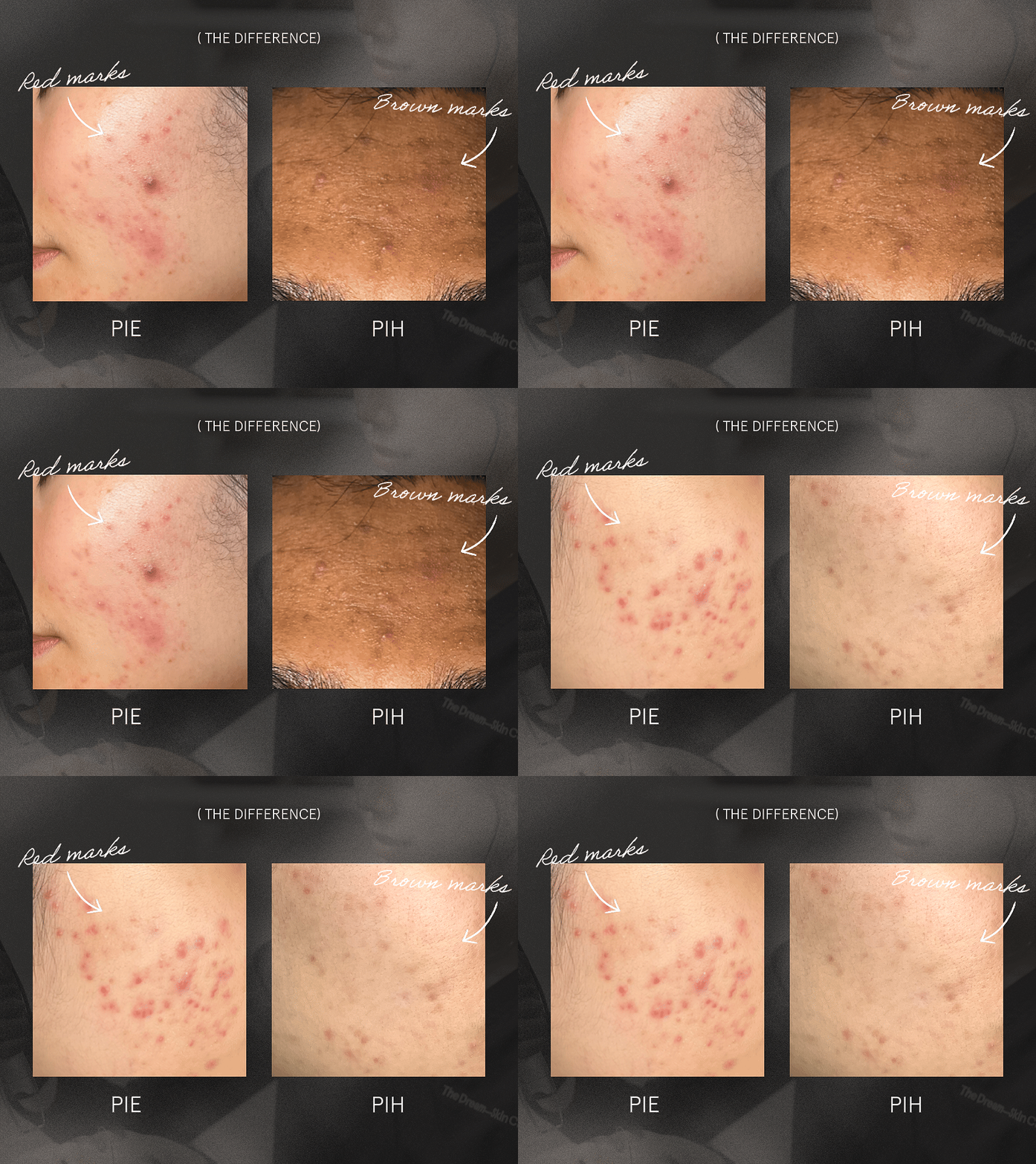
What is Post-Inflammatory Erythema (PIE)?
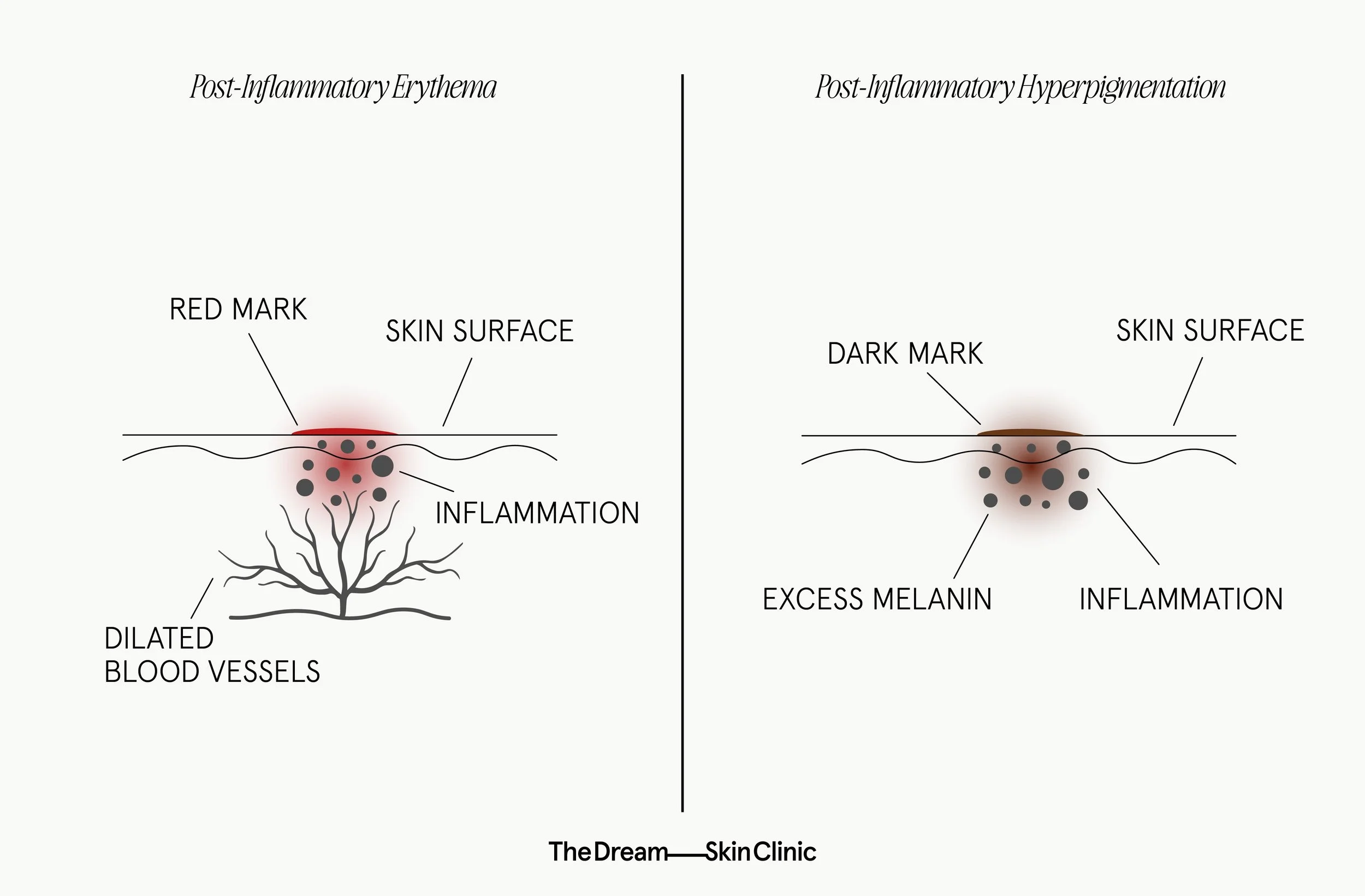
PIE appears as pink, red or purple marks left behind after inflammation has settled. Unlike pigmentation, PIE is caused by changes within the skin's blood vessels. During healing, inflammation stimulates increased blood flow and the formation of new tiny blood vessels (microvasculature) to repair damaged tissue. Even after the active breakout has resolved, these blood vessels can remain enlarged and visible, creating persistent redness. This means PIE is more than a cosmetic concern, reflecting ongoing vascular activity and residual inflammation within the skin.
Signs of PIE
Pink, red or purple flat marks
More common in lighter skin tones but can occur in all skin types
Often becomes more noticeable after heat, exercise or sun exposure
May linger for several months if left untreated
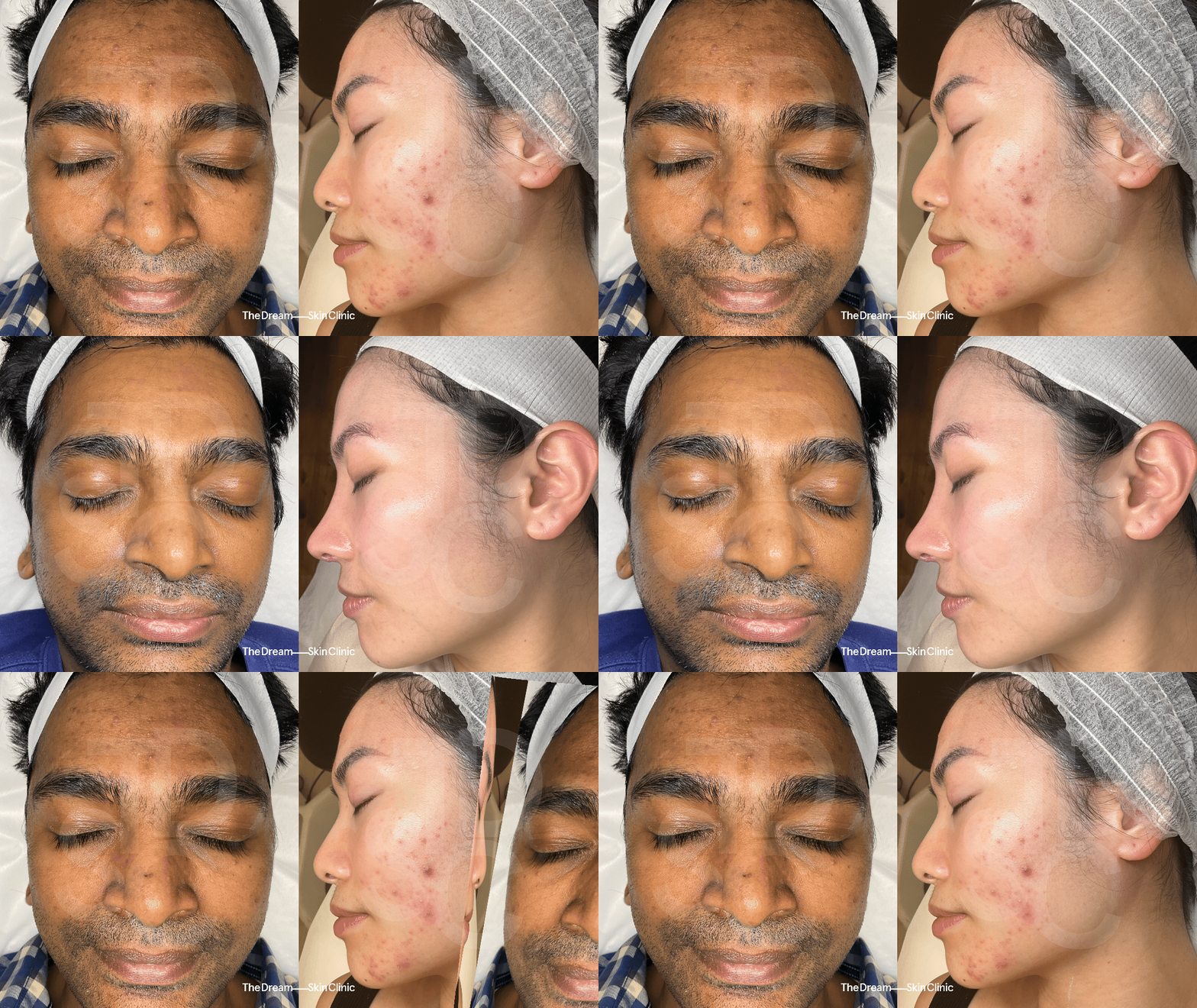
What is Post-Inflammatory Hyperpigmentation (PIH)?
PIH appears as brown or tan patches following inflammation. Instead of involving blood vessels, PIH occurs when inflammation stimulates melanocytes (pigment-producing cells) to produce excess melanin. That extra pigment remains in the skin after the original injury has healed. Unlike PIE, PIH generally does not indicate ongoing inflammation or impaired skin health. It is primarily a pigment issue, making it more of an aesthetic concern than a sign of active skin dysfunction.
Signs of PIH
Brown or tan flat marks
More common in medium to deeper skin tones
Darkens with UV exposure
Can gradually fade over time but often persists for many months without treatment
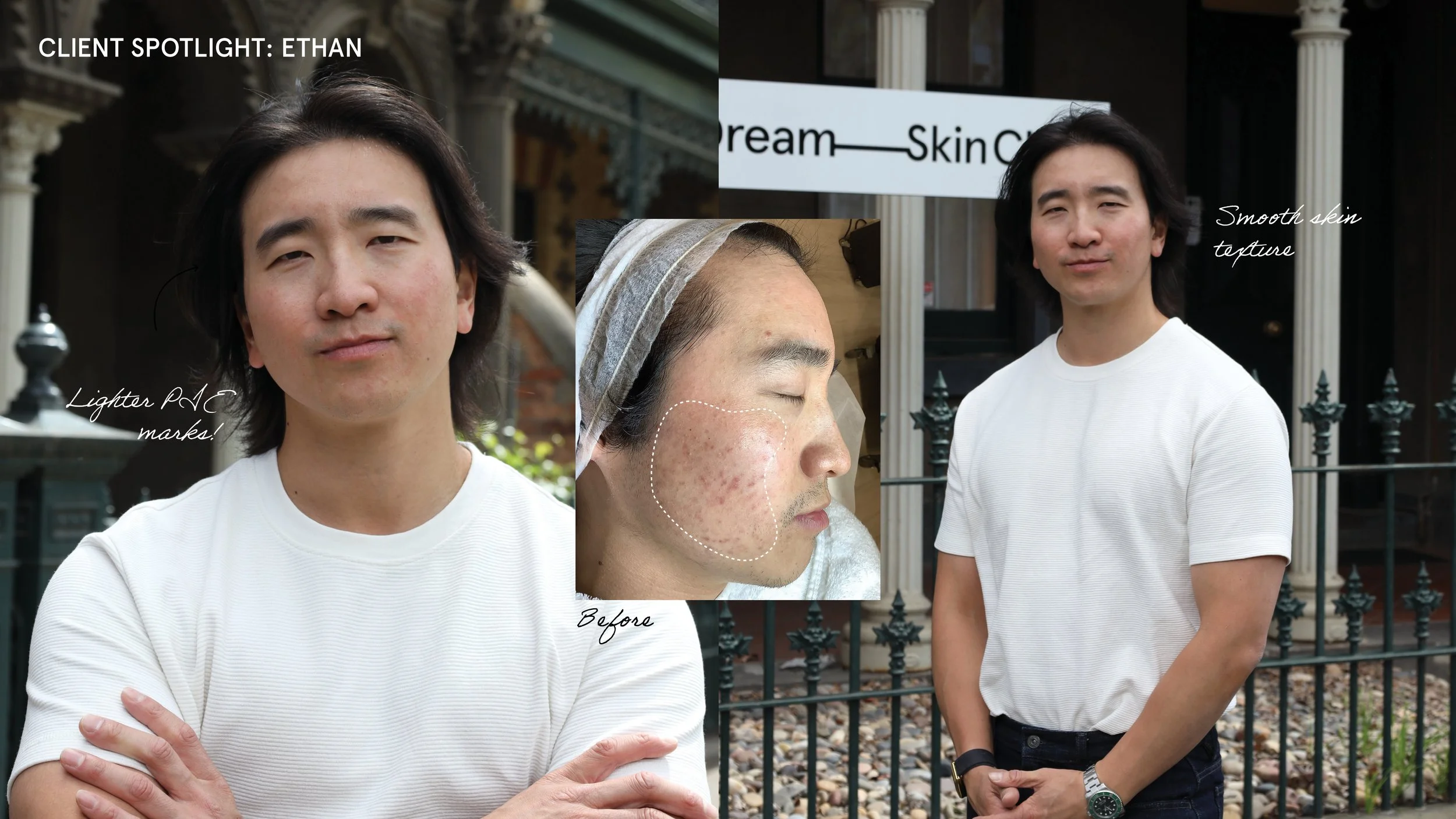
Why TDSC Clinical Treatment Matters
While both PIE and PIH can gradually resolve on their own, the healing process may take up to 12 months or longer. Skincare alone can help support recovery, but it doesn't always address the underlying cause.
For PIE, our clinical treatments focus on reducing residual inflammation and increased microvasculature, supporting healthy skin repair, and restoring normal vascular function to promote more effective healing.
For PIH, our clinical treatments are designed to safely accelerate pigment clearance while improving overall skin tone and clarity.
Ultimately, achieving long lasting results is about more than simply fading existing tonal marks. Strengthening the skin barrier and controlling ongoing inflammation helps reduce the likelihood of developing new PIE or PIH following future breakouts, while supporting healthier skin that is able to repair itself more effectively. This is why a combination of clinical treatments and targeted skincare is essential to address both the visible marks and the underlying skin health. At TDSC, this philosophy is at the core of everything we do. We take a holistic approach that prioritises skin health first, because healthier and more resilient skin responds better to treatment, heals more efficiently, and is less likely to develop persistent redness or pigmentation in the future.