Papules vs Pustules: What’s the Difference?
If you've ever searched online to identify a breakout, you've probably come across terms like papules and pustules. While they may sound technical, they're simply different types of inflammatory acne lesions. Understanding the difference can help you better clarify what's happening beneath your skin, why your acne looks the way it does, and why treatment recommendations may vary. Before we look at the differences, it helps to understand how inflammatory acne forms.
How Does Inflammatory Acne Develop?
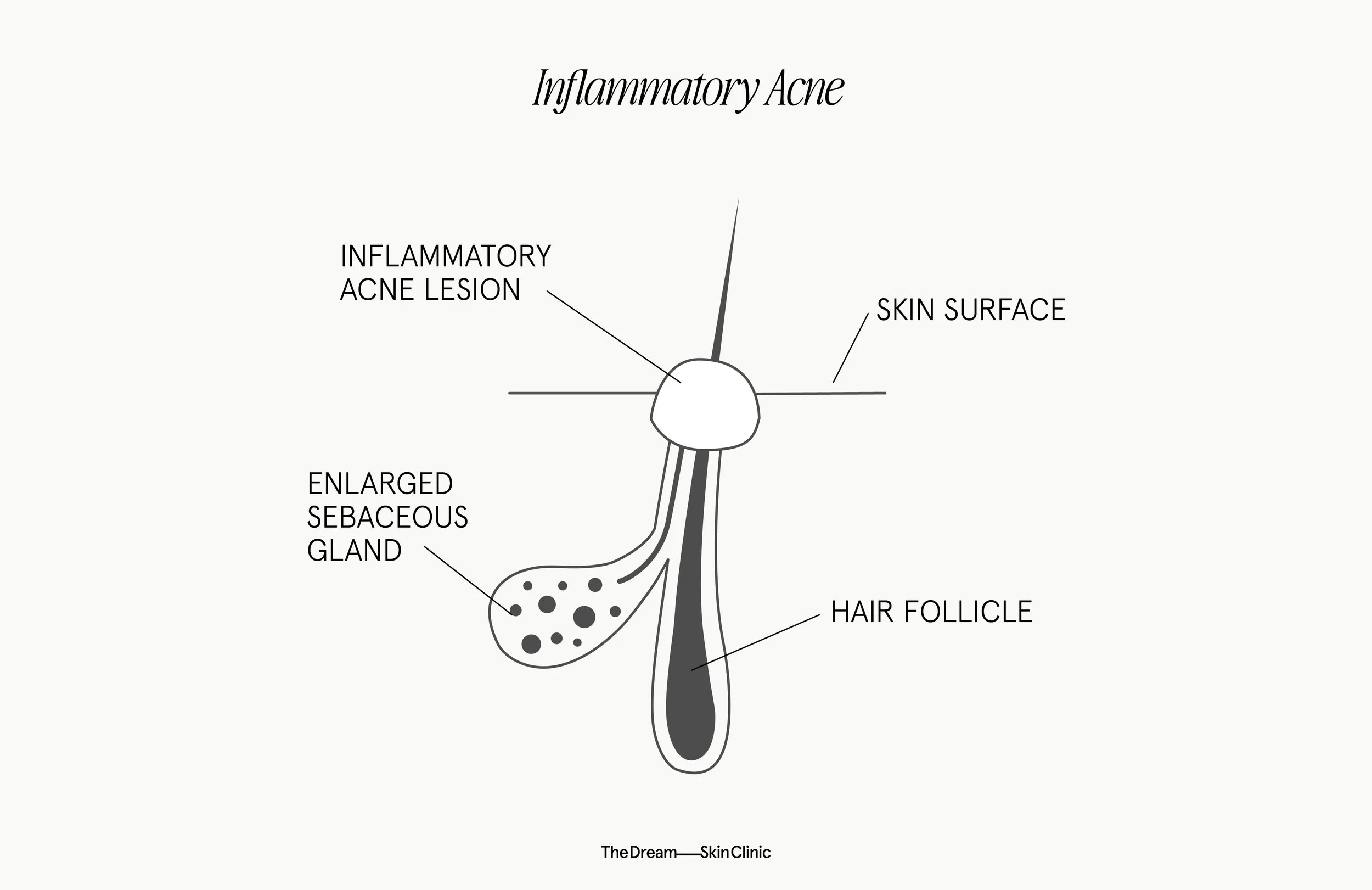
Acne develops when a hair follicle becomes blocked with excess oil (sebum) and dead skin cells. This creates an environment where naturally occurring skin bacteria (Cutibacterium acnes) can multiply, triggering the body's immune response. As inflammation develops, different types of acne lesions can form.
Both papules and pustules are considered inflammatory acne lesions, meaning the skin is actively responding to inflammation. The main difference is whether or not there is visible pus within the lesion.
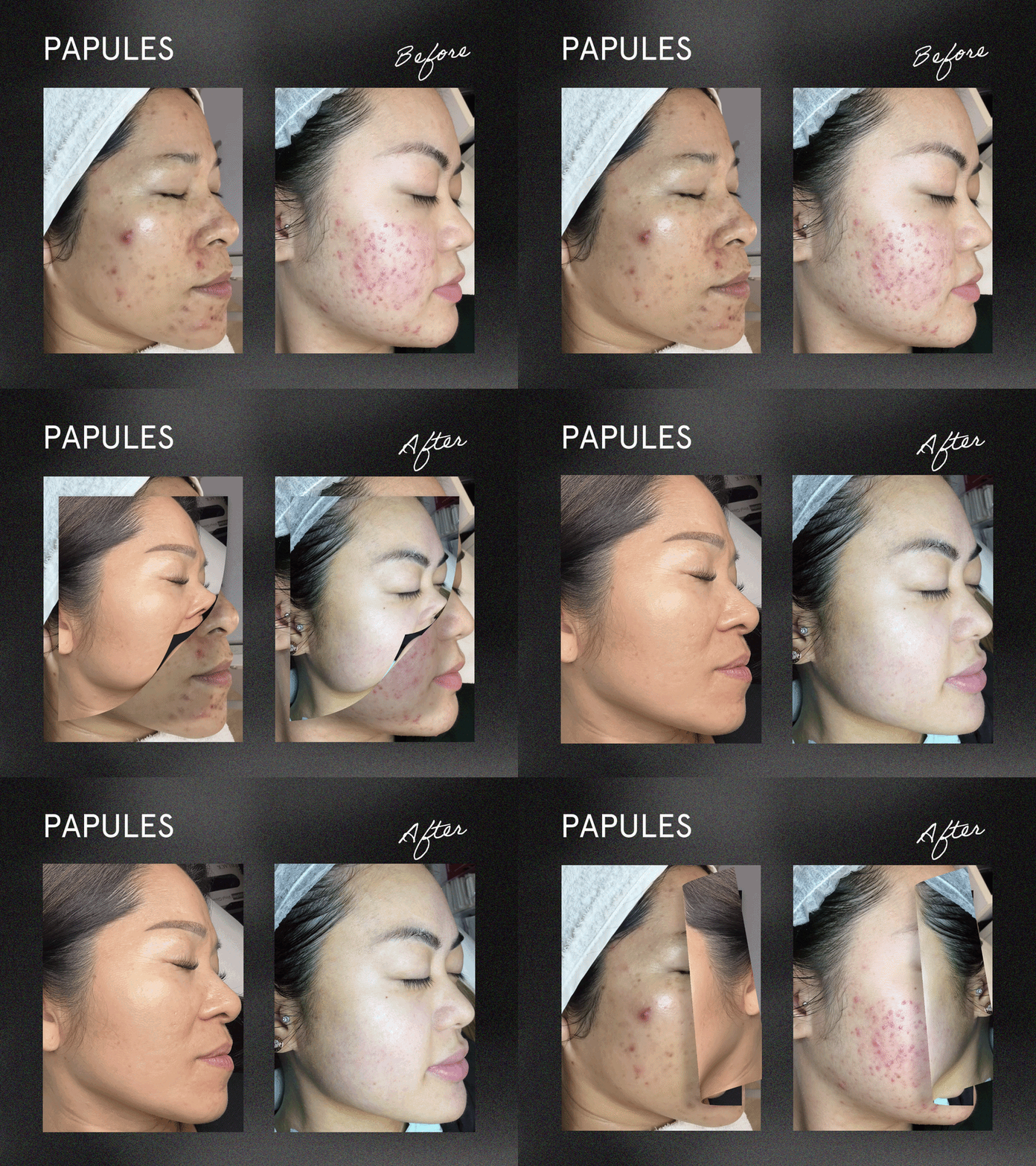
Papules vs Pustules: What's the Difference?
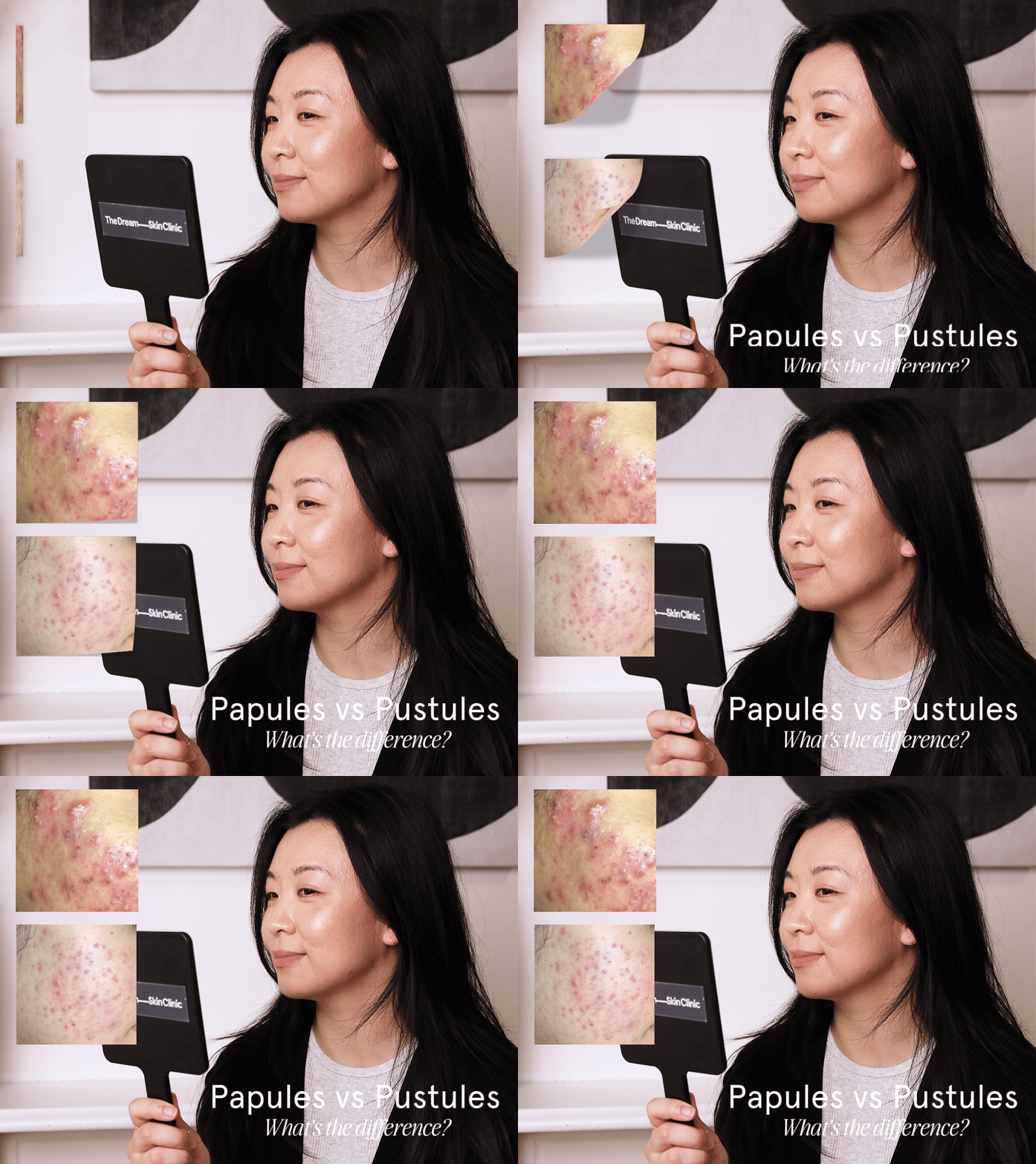
A papule is a small, raised, inflamed bump without a visible white or yellow centre. It often feels firm or tender and represents inflammation beneath the skin before pus has formed.
A pustule develops when inflammatory cells, including white blood cells, accumulate within the blocked pore, creating a visible collection of pus. This gives the lesion its characteristic white or yellow centre, often surrounded by redness.
Although pustules may look more "ready to pop", both papules and pustules should be left alone. Picking or squeezing either type of lesion can worsen inflammation, delay healing, and increase the risk of post-inflammatory pigmentation and acne scarring.
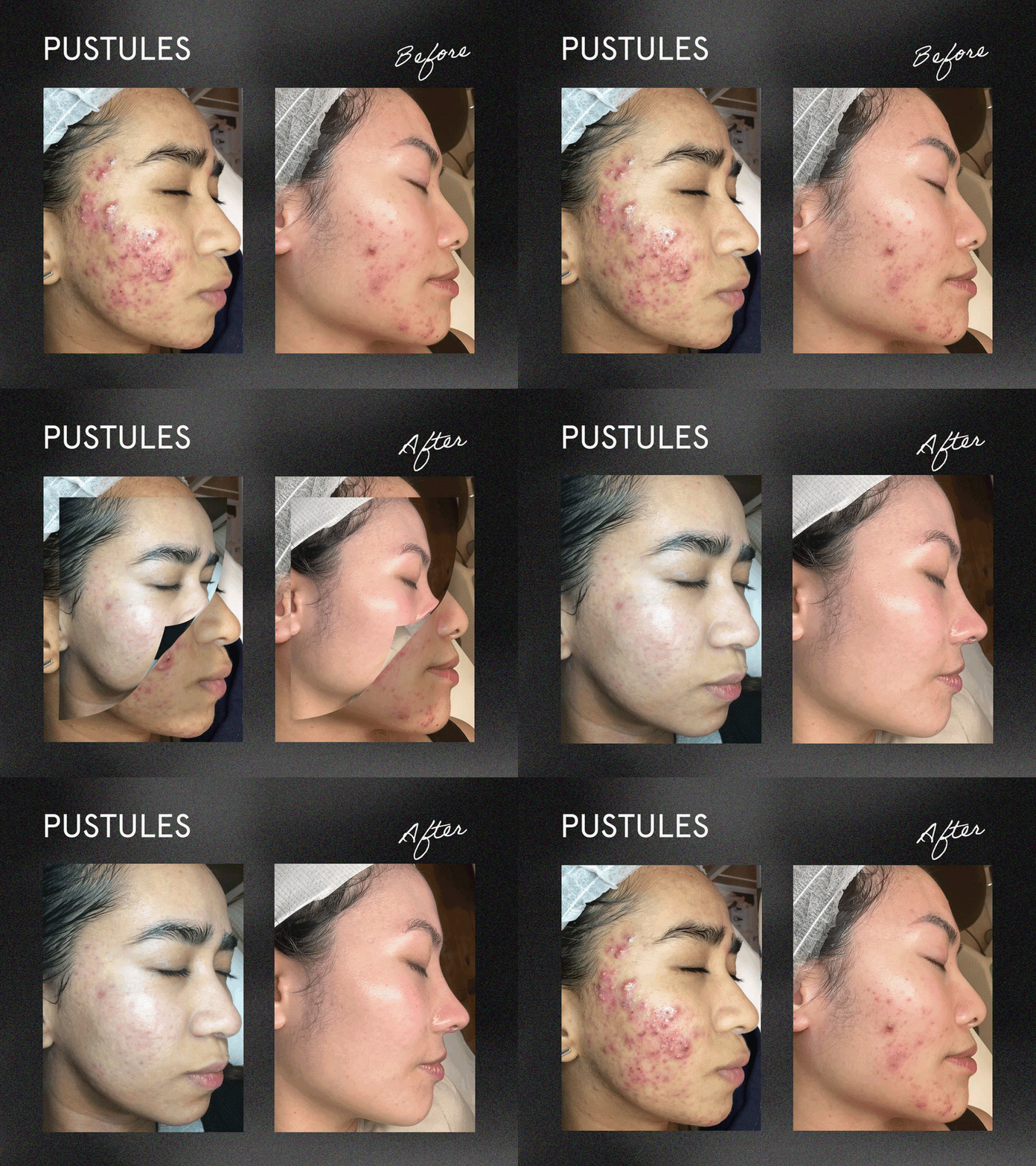
Why Does the Difference Matter?
While both lesion types develop through the same underlying process, recognising the difference can provide valuable insight into what's happening within your skin.
Papules often represent an earlier stage of inflammation, whereas pustules indicate that the inflammatory process has a collection of inflammatory cells that have formed within the pore.
Understanding the type of acne lesion you're experiencing can also help you recognise that inflammatory acne requires more than simply drying it out or scrubbing the skin. The goal should be treating more than what’s visible today, including calming down the inflammation, supporting the skin barrier, and reducing the likelihood of future breakouts.
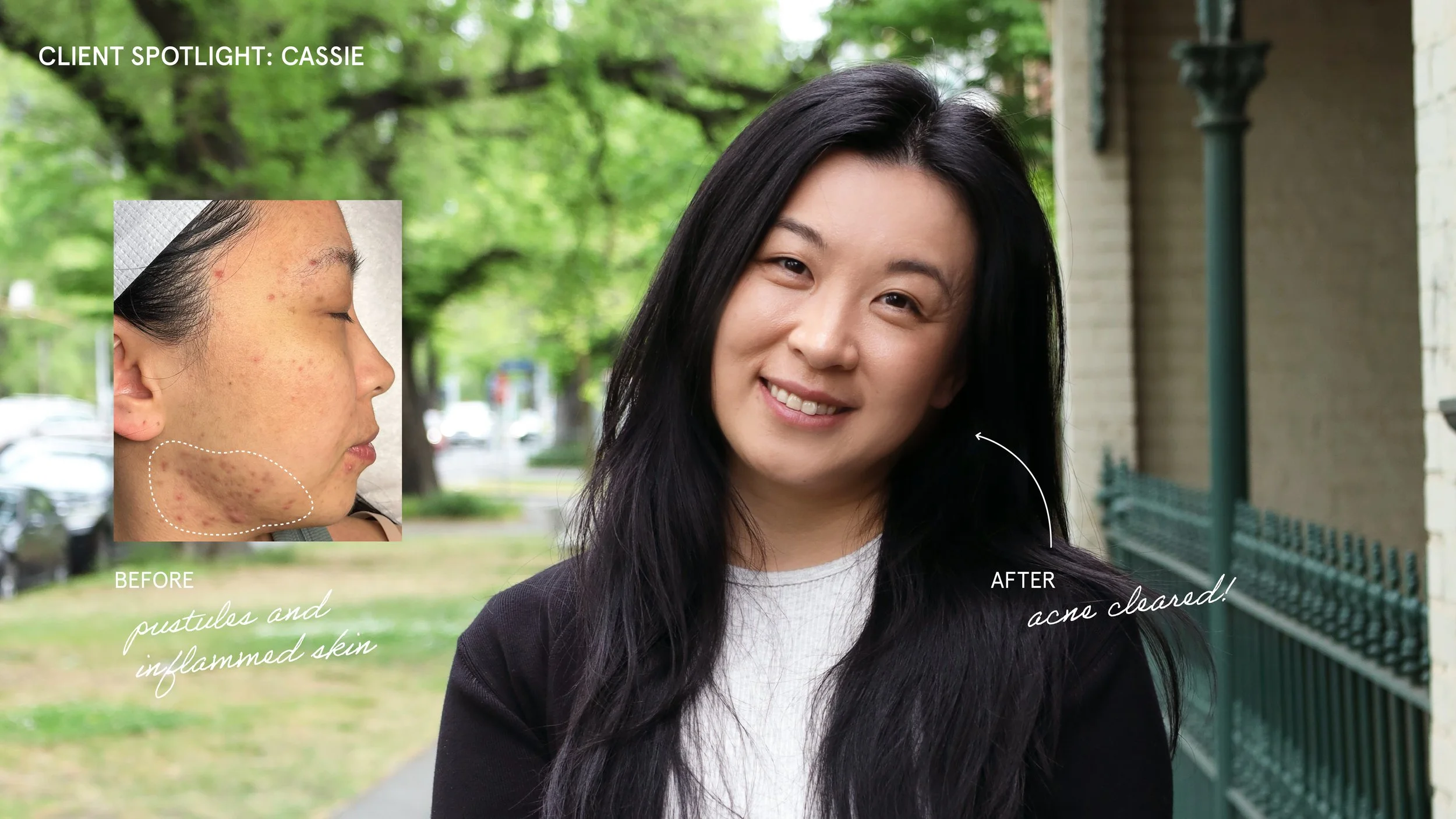
Myth vs Facts
Myth: Pus means the pimple is infected.
Fact: Not necessarily. The pus seen in a pustule is usually part of your body's normal inflammatory response rather than an indication of an infection.
Myth: Popping a pustule helps it heal faster.
Fact: Squeezing often delays healing and increases the risk of pigmentation and scarring.
Myth: Papules aren't as serious as pustules.
Fact: Both are inflammatory acne lesions. Even without visible pus, papules can contribute to ongoing inflammation and may lead to scarring if acne isn't managed appropriately.
Should You Seek Professional Help?
Occasional breakouts are common, but if you're regularly developing papules or pustules, it may be time to seek professional advice.
At The Dream Skin Clinic, we provide individualised treatment plans that address the underlying causes of breakouts rather than simply treating each lesion as it appears. Early intervention can also help reduce ongoing inflammation and minimise the risk of long-term pigmentation or acne scarring.
If your acne is becoming more frequent, painful, leaving marks behind, or isn't improving with over-the-counter skincare, consider booking a Results Driven Consultation. We'll perform an in-depth skin analysis and create a personalised treatment plan tailored to your skin and goals.