All About Pigmentation: What It Is, Types, and How to Manage It
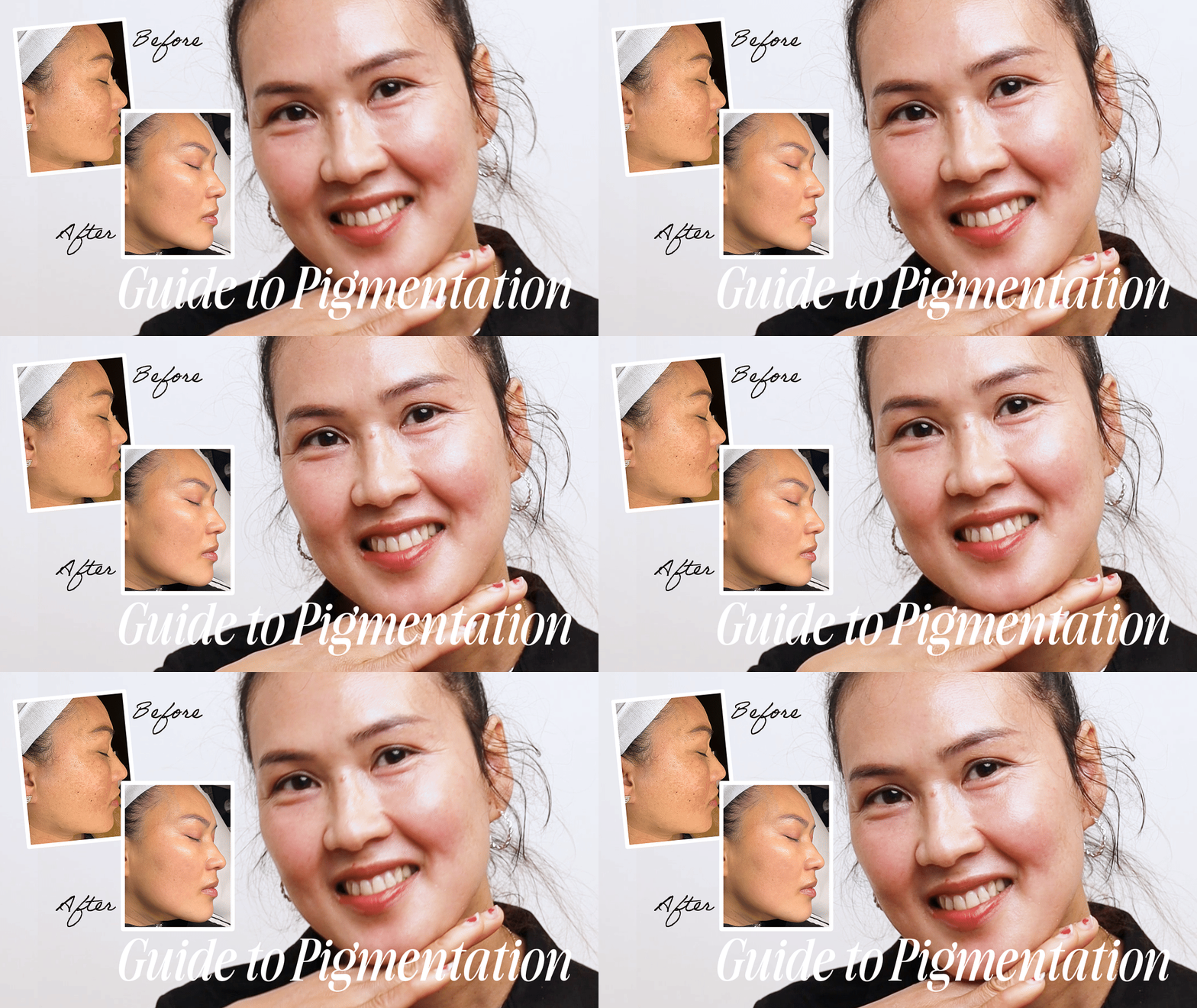
Hyperpigmentation occurs when the skin produces excess melanin, causing areas to appear darker than your natural tone. These can range from small spots to larger patches, creating shadowing effects.
It is usually triggered by a combination of internal and external factors that stimulate pigment production. Sun exposure is one of the most common causes, but heat can also increase pigmentation. This is why professions such as chefs are quite prone to hyperpigmentation due to their high-temperature work environment, even though they may have limited daily sun exposure.
Internal triggers include inflammation from acne, irritation or injury, as well as hormonal changes such as pregnancy or contraceptive use. Genetics also play a role, with some skin types more prone to pigmentation.
What is Hyperpigmentation?
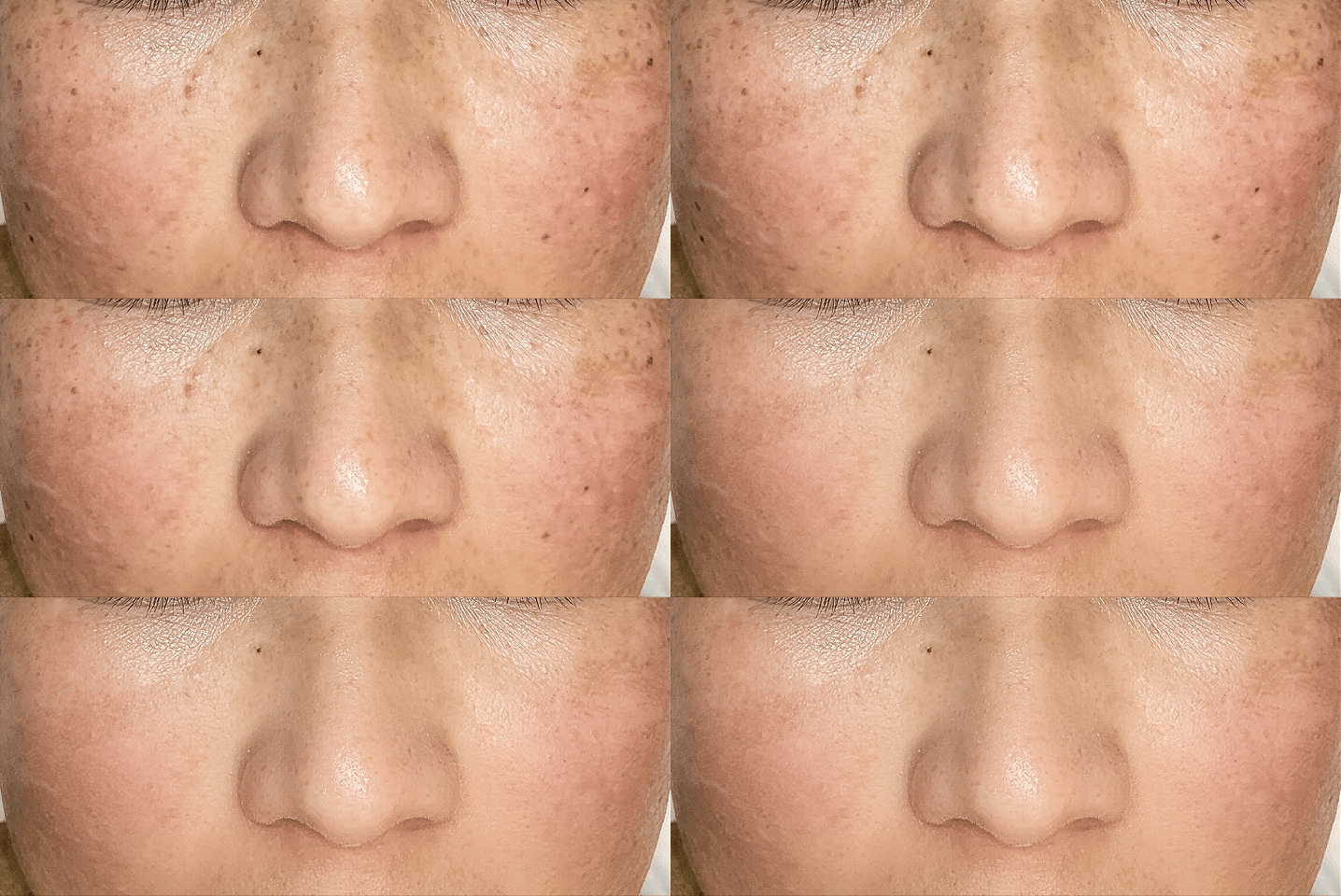
Hyperpigmentation occurs when the skin produces excess melanin, causing areas to appear darker than your natural tone. These can range from small spots, to larger patches creating shadowing effects.
What Causes Hyperpigmentation?
It is usually triggered by a combination of internal and external factors that stimulate pigment production. Sun exposure is one of the most common causes, but heat can also increase pigmentation. This is why professions such as chefs are quite prone to hyperpigmentation due to their high-temperature work environment, even though they may have limited daily sun exposure.
Internal triggers include inflammation from acne, irritation or injury, as well as hormonal changes such as pregnancy or contraceptive use. Genetics also play a role, with some skin types more prone to pigmentation.
Types of Hyperpigmentation
Each type of pigmentation behaves differently, and understanding this can help find the most appropriate management.
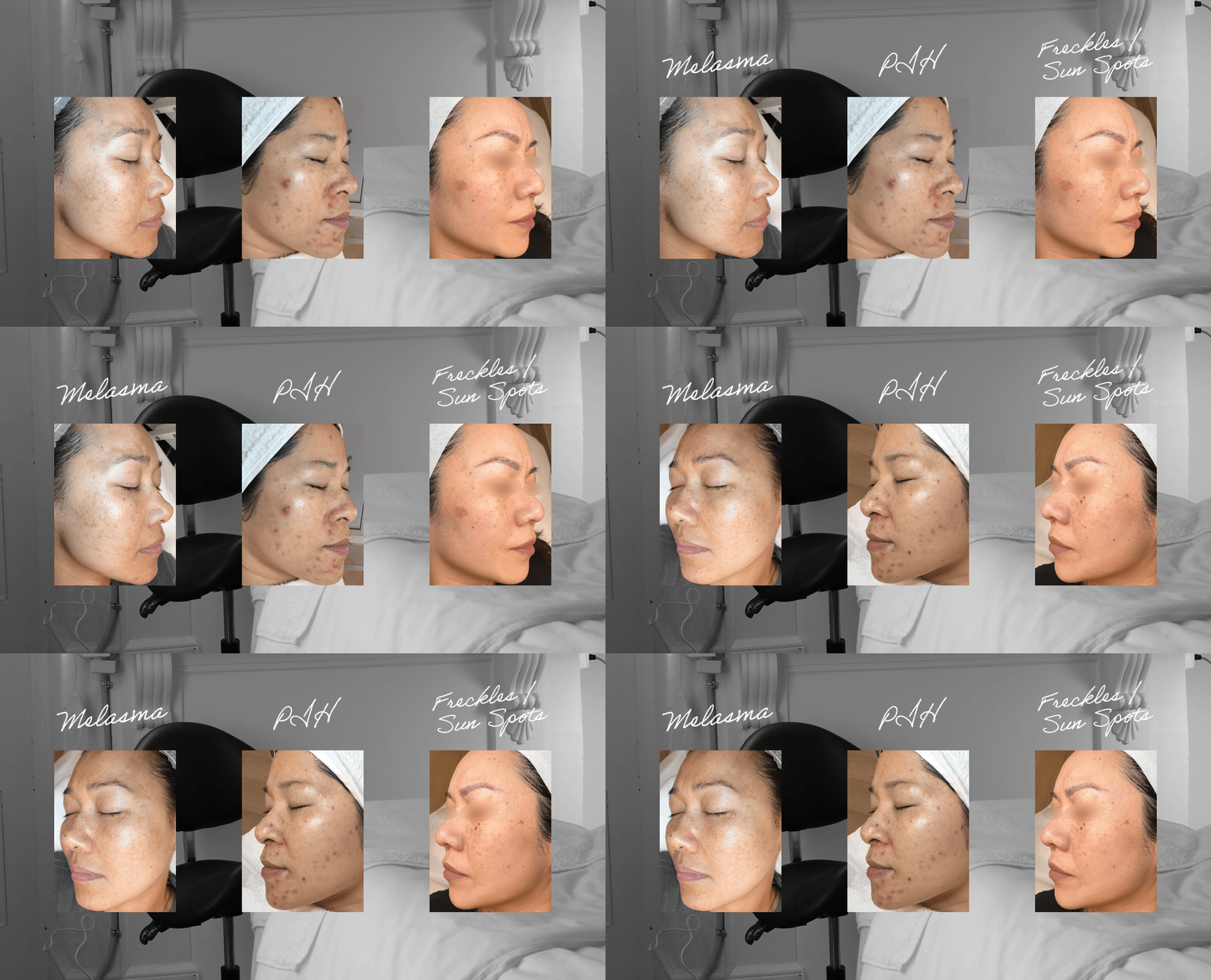
Post-Inflammatory Hyperpigmentation (PIH) develops after inflammation such as acne, irritation, or even long-term pressure. While not permanent, it can linger after the skin has healed.
Melasma appears as larger, diffused patches, often on the cheeks, forehead, or upper lip. It may begin as subtle shadowing and deepen over time. Melasma is more complex and generally requires ongoing management.
Freckles are small, light brown spots that darken with sun exposure. They are linked to genetic mutations and can appear early in life.
Sun spots (age spots) develop from cumulative sun exposure. They are typically larger, more defined, and increase over time.
When to Seek Professional Support

Managing hyperpigmentation requires a consistent, long-term approach rather than quick fixes.
While visible results are important, maintenance is just as critical. Pigmentation cannot simply be removed and forgotten, it requires ongoing regulation. Even after improvement, continued care is essential to minimise recurrence, particularly with triggers such as sun, heat, and inflammation.
This is especially relevant for ethnic skin types, which are more prone to pigmentation due to higher melanin activity and increased reactivity to inflammation. Both treatment and maintenance therefore need to be approached carefully to avoid rebound pigmentation or worsening concerns.
At The Dream Skin Clinic, we specialise in ethnic skin and understand the level of precision required, guiding both treatment and long-term maintenance to ensure results are sustained.
In summary, treating hyperpigmentation is a journey that extends beyond initial results. With the right support and ongoing management, clearer, more even-toned skin is absolutely achievable.