All About Acne: What It Is, What Causes It and How to Manage It
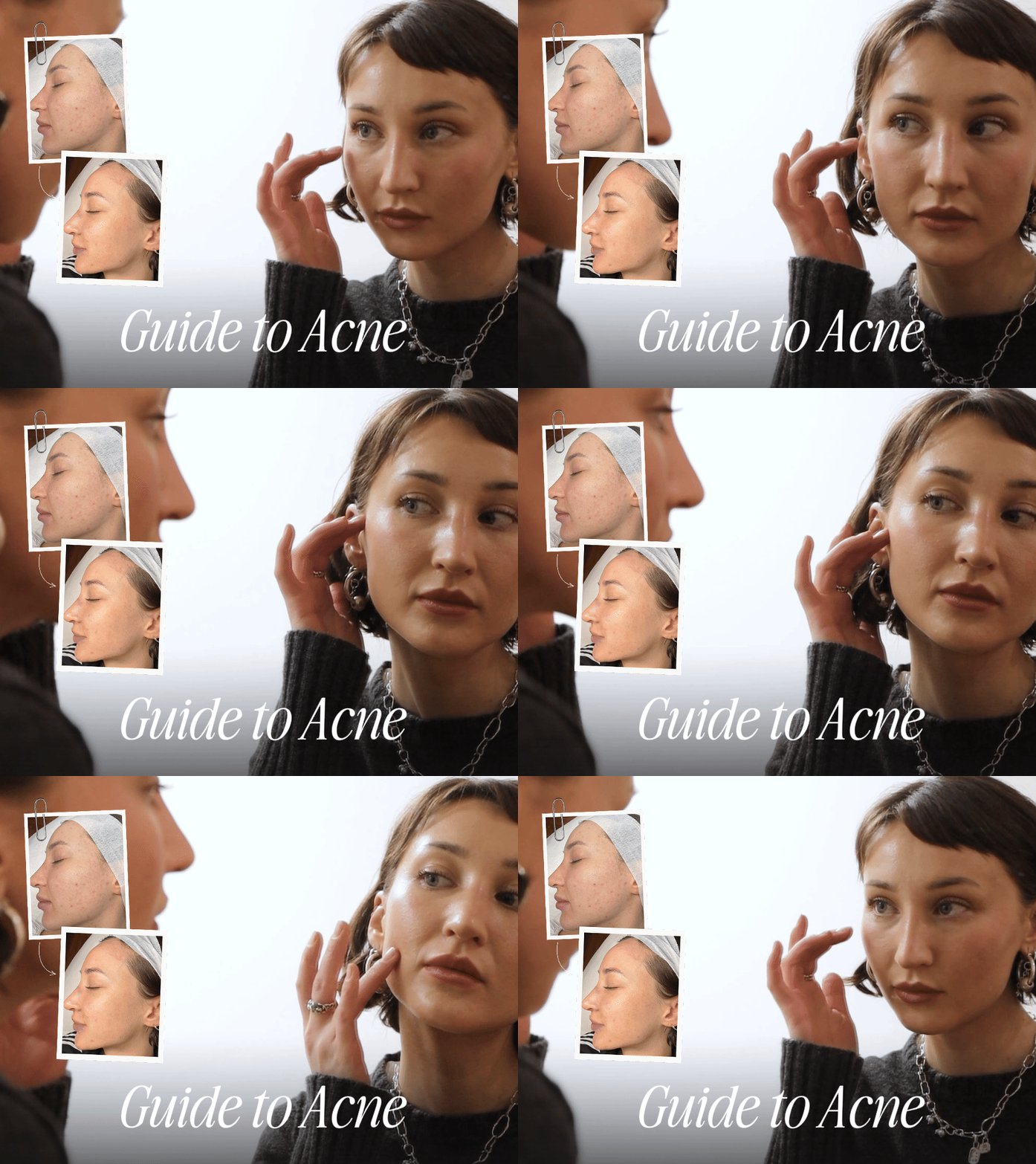
Let’s talk about acne. 💬
It always seems to show up at the worst possible time. Acne is one of the most common skin concerns in the world, and it affects both teenagers and adults. Whether you are dealing with hormonal acne, the occasional breakout, or adult acne that seems to appear out of nowhere, you are definitely not alone.
The good news is that acne is extremely common, and there are ways to manage it.
What is Acne?
Acne happens when your pores become clogged with oil (also known as sebum), dead skin cells, and bacteria. When this buildup gets trapped inside the pore, it can lead to different types of breakouts.
Sometimes this appears as small bumps on the skin, while in other cases acne can become more inflamed and painful. While the occasional pimple is completely normal, ongoing or inflamed breakouts may mean your skin needs a little extra support.
What Causes Acne?
There usually is not just one single cause of acne. Hormones are one of the biggest triggers, which is why many people notice breakouts during puberty, around their menstrual cycle, during pregnancy, or during times of stress.
Genetics can also play a role.If acne runs in your family, you may be more likely to experience it yourself.
Lifestyle factors can also influence breakouts. Stress can increase oil production in the skin. Certain skincare or makeup products may clog pores if they are not suitable for your skin type. Even touching your face frequently can transfer oil and bacteria onto the skin.
Diet may also play a role for some people. While research is still evolving, foods high in sugar or heavily processed ingredients may contribute to breakouts in certain individuals.
One important myth to clear up: Acne is not caused by dirty skin. Over-cleansing or harsh exfoliation can actually irritate the skin and worsen breakouts.
Types of Acne
Not all acne looks the same. Understanding the different types can help you better recognise what your skin may be experiencing.
Blackheads are small dark spots that occur when pores become clogged but remain open.
Whiteheads are clogged pores that stay closed beneath the surface of the skin.
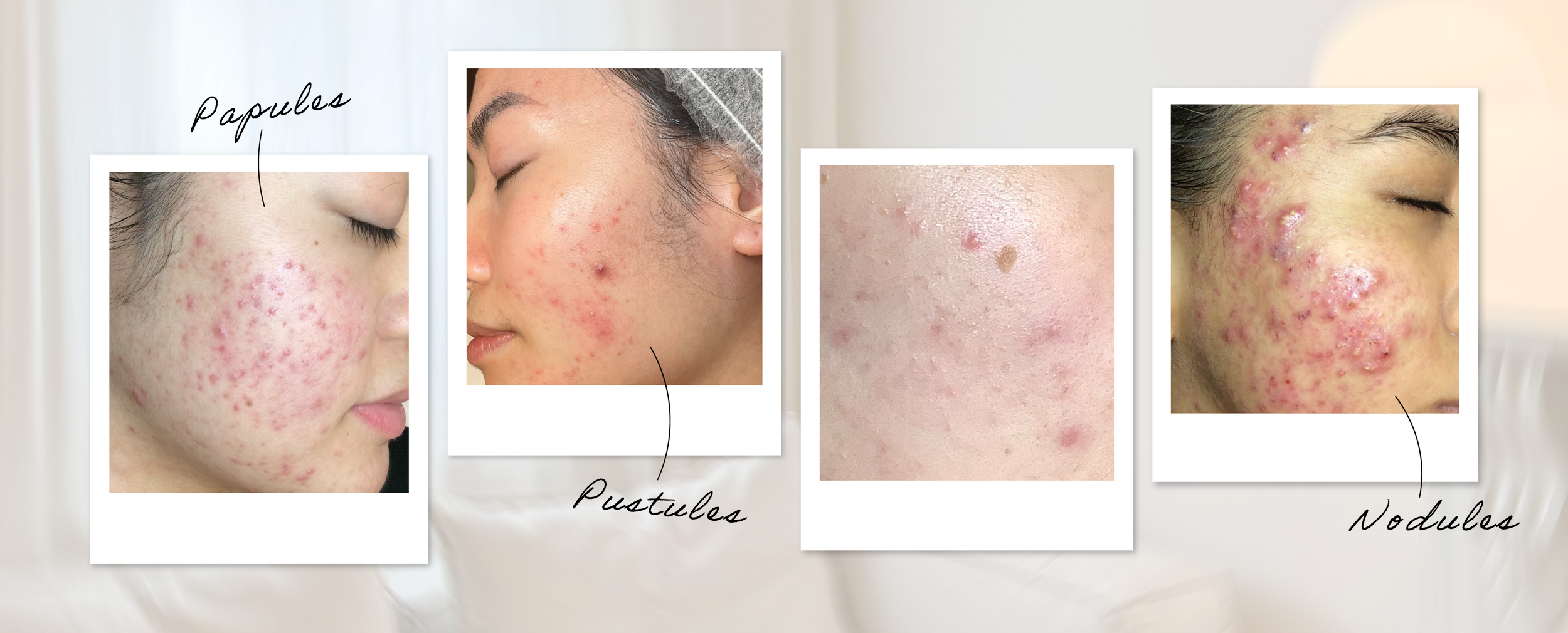
Papules and pustules are red and inflamed bumps, sometimes with a visible white centre.
Nodules and cysts are deeper forms of acne that can feel painful and tend to last longer.
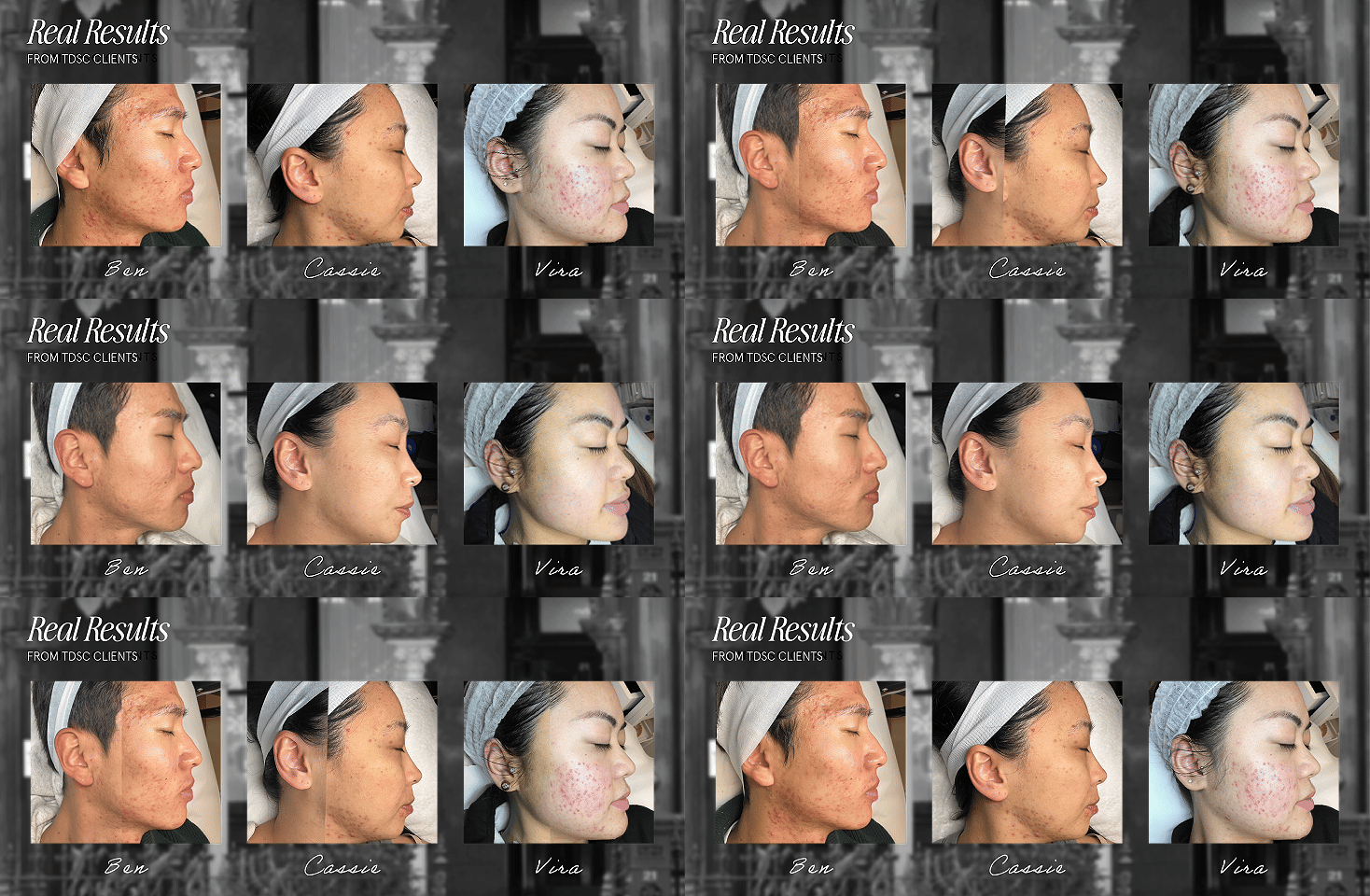
When to Seek Professional Support
If your acne feels painful, keeps coming back, causes scarring, or starts affecting your confidence, it may be a good idea to seek professional support.
A tailored treatment plan can make a big difference in managing moderate to severe acne and improving your overall skin health.
Most importantly, be patient with your skin and with yourself. Acne is incredibly common, it is treatable, and it does not define your skin or your confidence. ✨